Five Ways Administrators Can Support Educators Integrating the Arts
Content originally researched, developed, and published in 2018.
Empowering Teachers to Integrate the Arts at School
Teachers who feel connected, inspired, and supported are best prepared to meet the demands of a job in public education and serve the individual needs of their students. This guide outlines practical strategies to empower educators and ensure high-quality arts education in Utah schools. Access the entire Arts-Rich Schools Handbook here.
1. Professional Development:
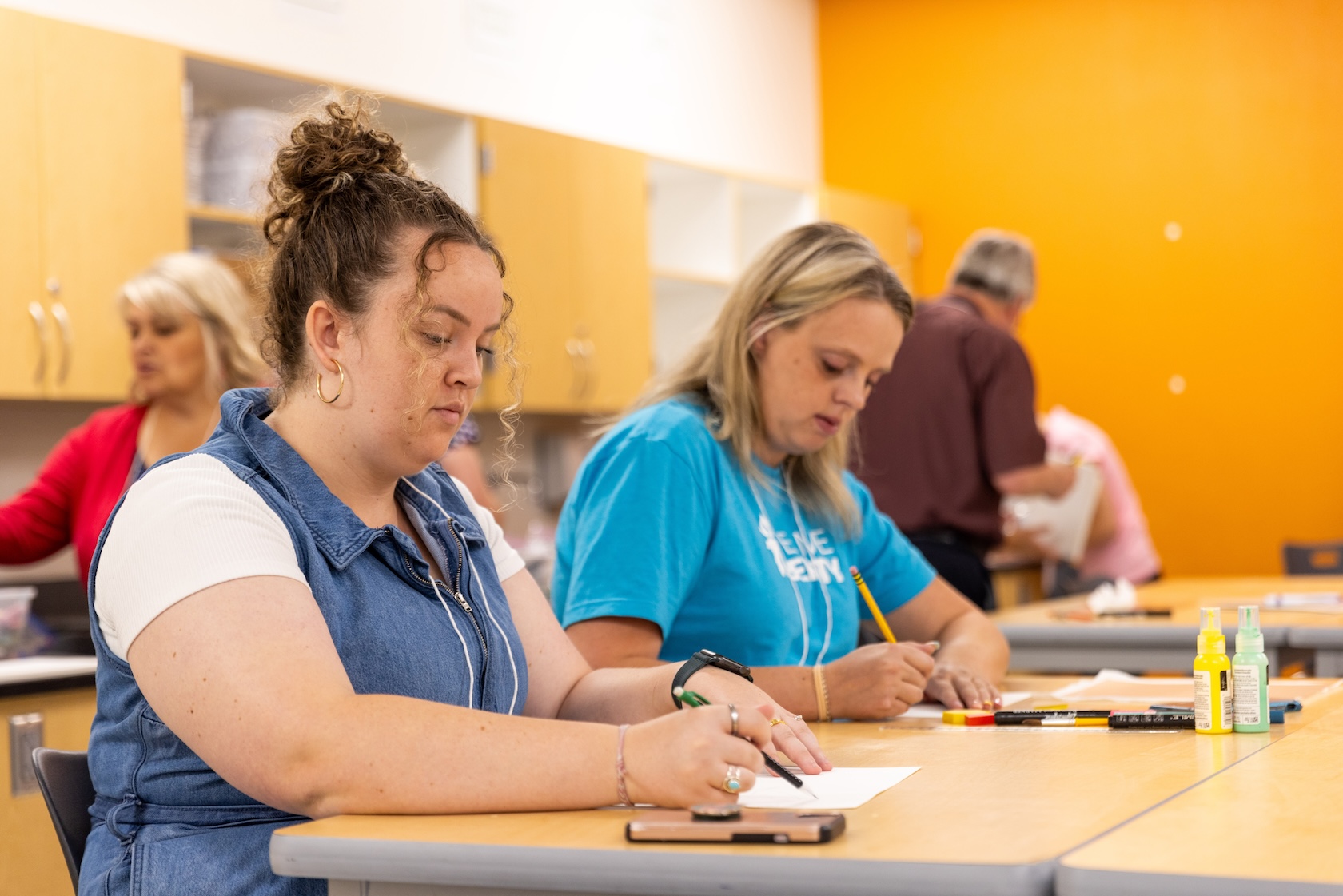
Provide ongoing professional development opportunities, such as workshops, seminars, and conferences, to keep educators updated on the latest teaching methods and trends. Encourage ongoing collaboration with peers among your educators by providing time for collaboration and reflection. Joining professional networks can help educators improve their professional practice by learning new techniques and sharing best practices and resources.
2. Adequate Resources and Facilities:
Initiate conversations with your arts educators and classroom teachers to find out what they need. Equip arts classrooms with necessary tools, materials, and technology, including musical instruments, art supplies, and media equipment. Consult specialists in each art form to optimize the spaces in your facility or read about the national standards for arts classroom spaces in the “Opportunity to Learn Standards.”
Secure adequate funding through grants, fundraisers, and community support to sustain arts programs annually. Check in with local arts organizations, retailers, and POPS groups to acquire available materials; often community members donate arts materials that become available to local schools. It is not the easiest task, but worth the effort.
3. Recognition and Appreciation:
Recognize and celebrate the accomplishments of arts educators and their students through awards, public acknowledgments, and showcasing student work. Show up to arts nights, informances, and performances hosted by your school and other schools in your community. Nominate your teachers for awards in the statewide arts education organizations UMEA, UAEA, UDEO, and UACTT.
4. Mentorship and Peer Support:
Establish mentorship programs where experienced educators guide newer teachers, providing practical advice on classroom management and instructional techniques. Arts educators can learn from generalist teachers and vice versa. Collaboration is critical to effective arts integration.
Encourage a culture of peer observations and constructive feedback to facilitate learning from different teaching styles and strategies.
5. Leveraging Community Resources:
Build strong relationships with the local community, involving parents, local artists, and arts organizations to enhance resources and opportunities.
Invite local artists and professionals to conduct workshops and speak to students, providing real-world insights.
Organize field trips to museums, theaters, and cultural events to enrich students’ understanding of the arts.
By providing professional development, adequate resources, community and administrative support, recognition, and mentorship, you can empower educators to deliver high-quality arts education.
For more detailed guidance for building an arts-rich school, download the Arts-Rich School Handbook. This resource includes everything from guidance for hiring educators to producing student performances and exhibitions. This handbook is an essential tool for any school looking to elevate its arts programs and build a dynamic, creative culture focused on collaboration, deep learning, and community.


